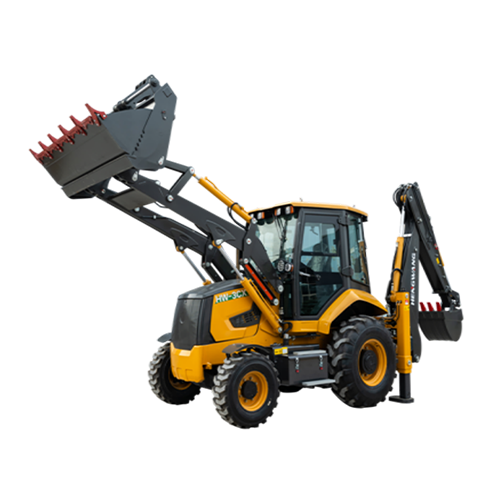
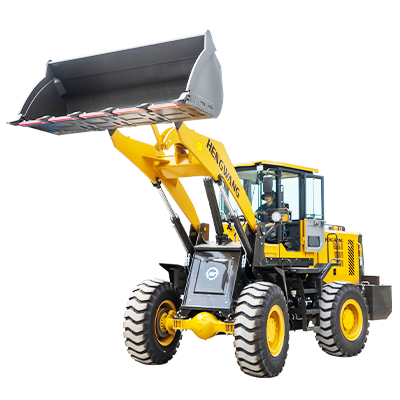
Loaders, as the “backbone of earthmoving operations” in road, railway, and construction projects, are widely used for material handling, site leveling, and more. However, in high-temperature or harsh working conditions, the risk of loader tire blowouts rises—delaying projects and posing safety hazards. This guide, based on manufacturer expertise, breaks down 3 core causes of blowouts and shares science-backed prevention strategies!
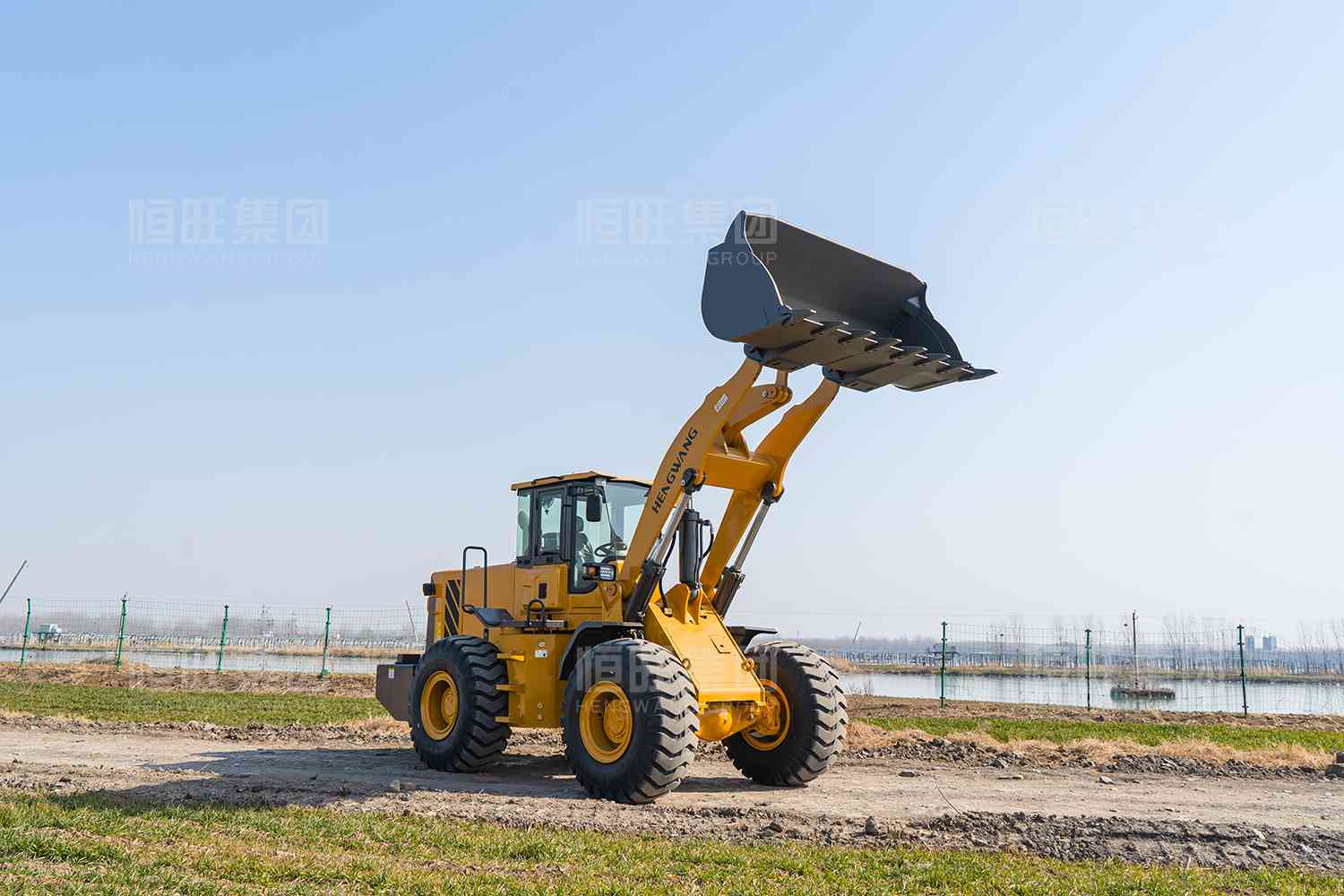
1. 3 Critical Causes of Loader Tire Blowouts
1. Tire Wear: “Chronic Damage” From Harsh Environments
Loaders often operate in mines, muddy sites, or rocky terrain. Frequent friction with sharp stones and hard soil causes scratches and damage to accumulate, creating “weak points.” Under extreme loads, these damaged areas can rupture instantly—triggering blowouts.
2. Abnormal Tire Pressure: Dangerous at “Too High” or “Too Low”
3. External Impact + Improper Operations: A “Dual Risk”
In summer, after 4+ hours of high-temperature work, tire internal pressure surges. If hit by collisions, hard braking, or improper cooling (e.g., pouring cold water on tires—causing uneven shrinkage), the tire structure tears—accelerating blowouts.
2. 4 Practical Tips to Prevent Loader Tire Blowouts
1. Tire Inspection: Weekly “Checkups” + Wear Monitoring
2. Precise Tire Pressure Control: Match Conditions
3. Optimize Working Conditions: Reduce Load + Control Duration
4. Emergency Response: “Damage Control” Before Blowouts
If abnormal pressure or overheating is detected, slow down and park immediately—avoid hard braking or sharp turns. Use professional tools to release pressure; never deflate manually or pour cold water (to prevent secondary accidents).
Conclusion: Protect Tires for Efficient Loader Operations
Most loader tire blowout risks stem from daily negligence. Regular inspections, precise pressure control, and standardized operations not only prevent accidents but also extend tire life (reducing replacement costs by 30%). Remember: Efficient loader work starts with healthy tires!